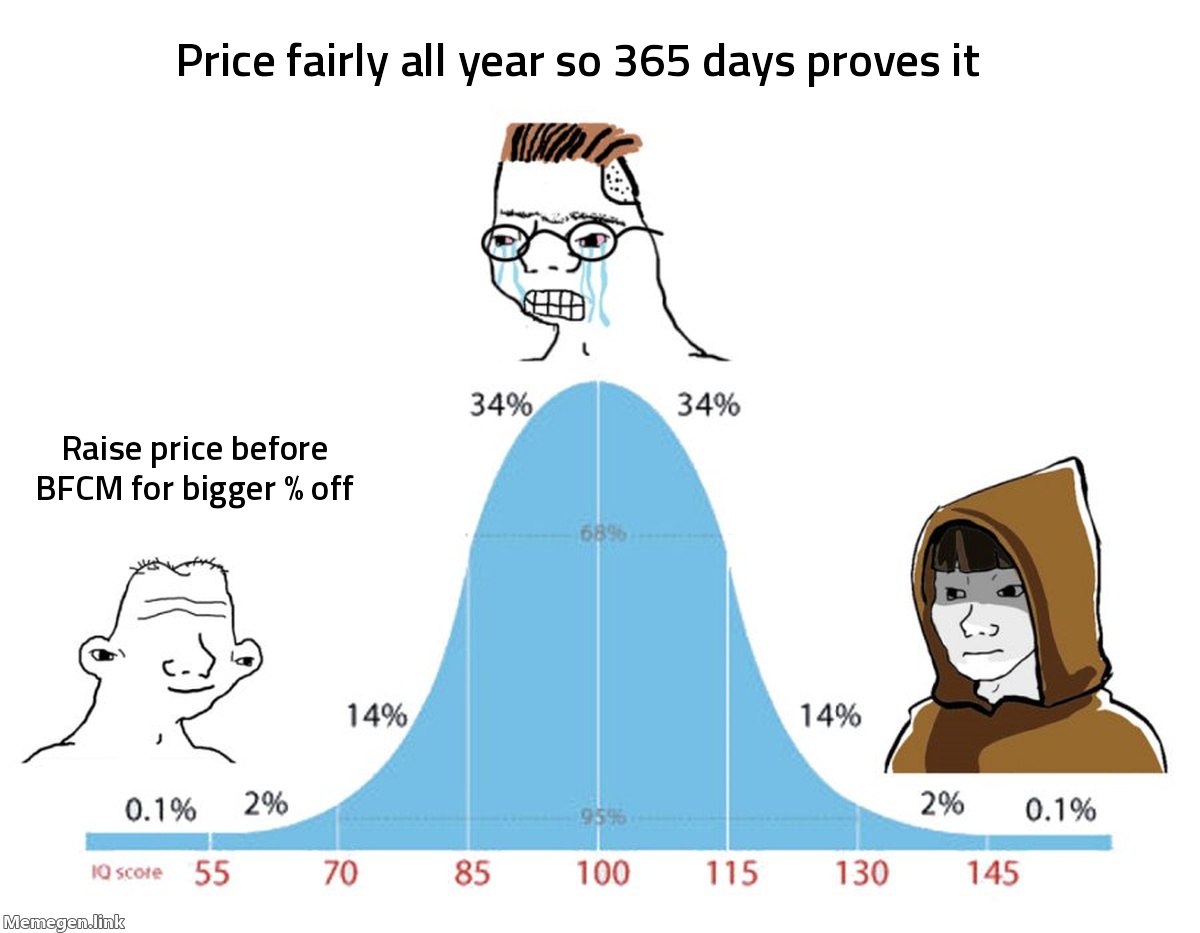
For years, a reliable e-commerce playbook involved raising prices six to eight weeks before Black Friday, then dropping them on BFCM to create a dramatic "X% off" moment. Shoppers felt like they were getting a deal. Sellers moved inventory. The math worked — until Amazon made the math visible.
In spring 2026, Amazon expanded its Price History feature from a 90-day window to a full 365 days. US, UK, and India shoppers can now see a year of pricing data directly on product pages and through Alexa for Shopping. The tactic still works mechanically. It just no longer works on an informed buyer — and Amazon has made more buyers informed.
What Changed and When
Amazon's original price history tool showed roughly three months of data. That was enough to catch obvious pre-holiday inflation when a seller pushed prices up in October or November. Sellers who started the cycle earlier — raising in August or September, discounting in November — stayed invisible.
The 365-day expansion changes that entirely. Confirmed by multiple sources by early May 2026, the update means Amazon now surfaces your complete annual pricing behavior to any shopper who opens the price chart. If you raised prices in July before BFCM 2025, it's on the chart. If you brought them down for November and back up in December, that's on the chart too.
Price check behavior has surged since the rollout, according to reporting from Yahoo Finance and Modern Retail. Buyers who previously purchased on trust or urgency now have a tool that answers the question they were always quietly asking: "Is this actually a deal, or did the price just go down to where it started?"
What This Means for BFCM 2026
Black Friday falls on November 27 this year. Cyber Monday is November 30. That puts BFCM 2026 roughly ten weeks away.
Here is the problem for sellers still using the pre-BFCM inflation approach: your BFCM 2025 pricing is fully visible to shoppers evaluating your BFCM 2026 deals. If you charged $89 in October 2025, ran it at $129 in early November, then "discounted" it to $99 for BFCM — that sequence is now on record. Shoppers can see it. More importantly, they can walk away from the listing knowing exactly what you did.
Sellers across Amazon forums and industry publications have started documenting this shift in buyer behavior. The raise-then-discount approach does not just risk shoppers walking away from one listing. It risks them leaving the brand entirely, having identified it as one that manipulates pricing around sale events.
Amazon has also adjusted how it treats pricing behavior in Buy Box allocation and listing visibility. Consistent, non-manipulated pricing appears to be increasingly rewarded in the algorithm. This was directionally true before 2026; the 365-day expansion makes pricing integrity a more explicit competitive signal.
What to Do Before BFCM Season Begins
Start by auditing last year's BFCM pricing. Pull your October–December 2025 price history for your top-selling SKUs. Look at what shoppers will see when they open your listings in November 2026. If the chart tells a story you would not want a serious buyer to read, you have roughly ten weeks to build a cleaner one.
Next, set your intended BFCM price now and hold it. If you plan to sell a product at $79 for BFCM 2026, price it near $79 today. A stable price from September through November reads as genuine on a 365-day chart. A price that drops exactly on Black Friday from an inflated level reads as manufactured urgency — and the chart makes that obvious.
Also rethink how margins are built around sale pricing. The old model assumed inflated base prices absorbed the "discount." With transparent price history, that model pushes buyers away rather than pulling them in. If your margins only work with artificial pre-BFCM inflation, that's a product pricing structure problem that needs solving before the season starts — not a promotion you can market your way through.
Finally, check your competitors' price histories too. The same tool available to shoppers is available to you. Sellers running consistent pricing will stand out on the chart next to competitors who still inflate. That's a conversion opportunity worth building toward.
The brands that win BFCM 2026 on Amazon will not win it with the biggest "percent off." They will win it by being the listing a shopper trusts when they open the chart. That trust is built over the 52 weeks leading up to the sale, not the three days of it.
If you want to know where your current Amazon pricing strategy stands — and what to fix before BFCM — request a free audit at Gromerce.
Sources: Amazon, Yahoo Finance, Modern Retail, Retail Dive, May–September 2026