What TikTok just shipped
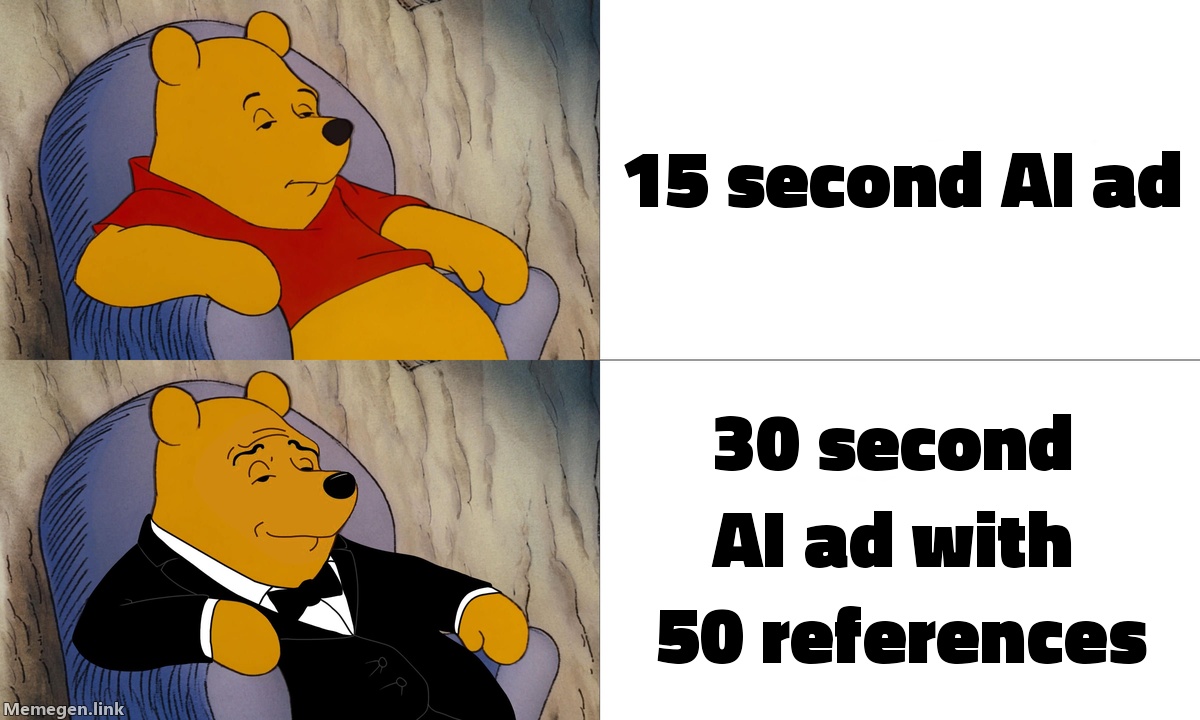
TikTok put ByteDance's Dreamina Seedance 2.5 model into Symphony on August 5. The headline number is video length: up from 15 seconds to 30. The more useful upgrade is what feeds into the model — reference inputs jumped from 9 to 50, covering image, video, and audio, and you can now attach creative direction to specific timestamps within the generated clip.
Output quality also improved. TikTok says the model produces sharper imagery with stronger preservation of lighting, motion, and character consistency across scenes. Product rendering — the thing that made Seedance 2.0 actually usable for e-commerce — holds better across a full 30-second run instead of degrading midway through.
Rollout is limited: select paid advertisers in select markets. TikTok has not named countries or given a timeline for broader access, per Social Media Today's coverage.
Why the length change matters more than it sounds
Fifteen seconds and thirty seconds are not the same creative format with extra room. They're different structures.
At 15 seconds, you're writing a punchline. The product appears, the benefit lands, the CTA closes it. At 30 seconds, you can build a problem, show a solution, and give the viewer time to feel something before you ask them to act. That's the structural difference between a product demo and a short story.
This matters because TikTok's best-performing DTC creative has always leaned toward narrative: the "before and after," the unboxing that turns into a reveal, the "I found this thing and now I can't stop using it" format. Those need room. Fifteen seconds compresses them to where even good creative looks rushed.
The 50-reference input changes the briefing process entirely. You're not feeding the model one product image and hoping for coherence. You can give it your full product range, lifestyle footage, competitor reference clips, and audio samples — all scoped to specific moments in the timeline. The model builds around a structured brief, not a single asset.
The strategy problem didn't move
Seedance 2.5 is a better production tool. It's not a creative director.
What made TikTok work for e-commerce wasn't the format — it was the authenticity. A real person filming themselves in a cramped bathroom trying a supplement still outperforms most polished AI-generated cuts. That isn't changing because the clip is now twice as long.
According to eMarketer's coverage of the 2.5 launch, Snap, LinkedIn, and Pinterest have recently adjusted their recommendation systems to favor human-made content. TikTok is moving in the opposite direction — betting that better AI output closes the authenticity gap rather than working around it.
That bet may land. But be clear about what you're doing: you're running an experiment on your ad budget. Whether a 30-second AI-generated video outperforms 30 seconds of real UGC is an open question, not a settled one.
Four things to do before you start generating
Once you get access, treat this like a new channel launch, not a production shortcut.
Identify your two or three best-converting ad scripts first — the hooks and narrative structures that have driven your highest conversion rates on any platform. Those become your brief templates for 2.5. Don't start with blank briefs; start with proven structures and let the AI execute them at scale.
Build your reference library before you get access. Collect 20 or more product images across angles and colorways, three to five lifestyle reference videos, and two or three audio references that match the mood of your best ads. The model's output ceiling is set by what you put in.
Run AI-generated 30-second clips against your current best-performing human UGC in a clean split. One variable. Clear read on whether the format is closing the gap or still leaving performance behind.
Keep your briefs specific at the timestamp level. Generic creative direction — "make it feel energetic" — produces generic output. "By timestamp 0:12, show the product in use, warm lighting, outdoor context" gives the model something to work with.
Why the model source is worth tracking
Every major platform shipped some form of AI video generation this year. TikTok's angle is that it's building the tool inside the platform where the video runs, using the same underlying model family that TikTok uses for its own content.
Whether that means AI-generated Symphony content is treated differently in TikTok's delivery algorithm than externally produced video — more "native" in the system's eyes — isn't confirmed. But it's a plausible edge, and it's worth watching as early test data comes in from the select markets already in the rollout.
The production excuse for skipping TikTok video testing is gone. The question is whether the output performs like the content your customers actually respond to.
If you want to see how your current TikTok setup and creative mix stack up, the free account audit at Gromerce will show you where the gaps are in under five minutes.
The tool is better. The strategy is still on you.
Sources: Social Media Today, eMarketer, ppc.land, August 2026