what meta actually launched
On May 27, Meta officially rolled out paid subscriptions for Instagram, Facebook, and WhatsApp globally. Instagram Plus and Facebook Plus are priced at $3.99 per month. WhatsApp Plus is included as part of the bundle.
The basics — better analytics, story rewatch stats, profile customization — sound like creator tools. But the detail that matters for brands is in the upper tier.
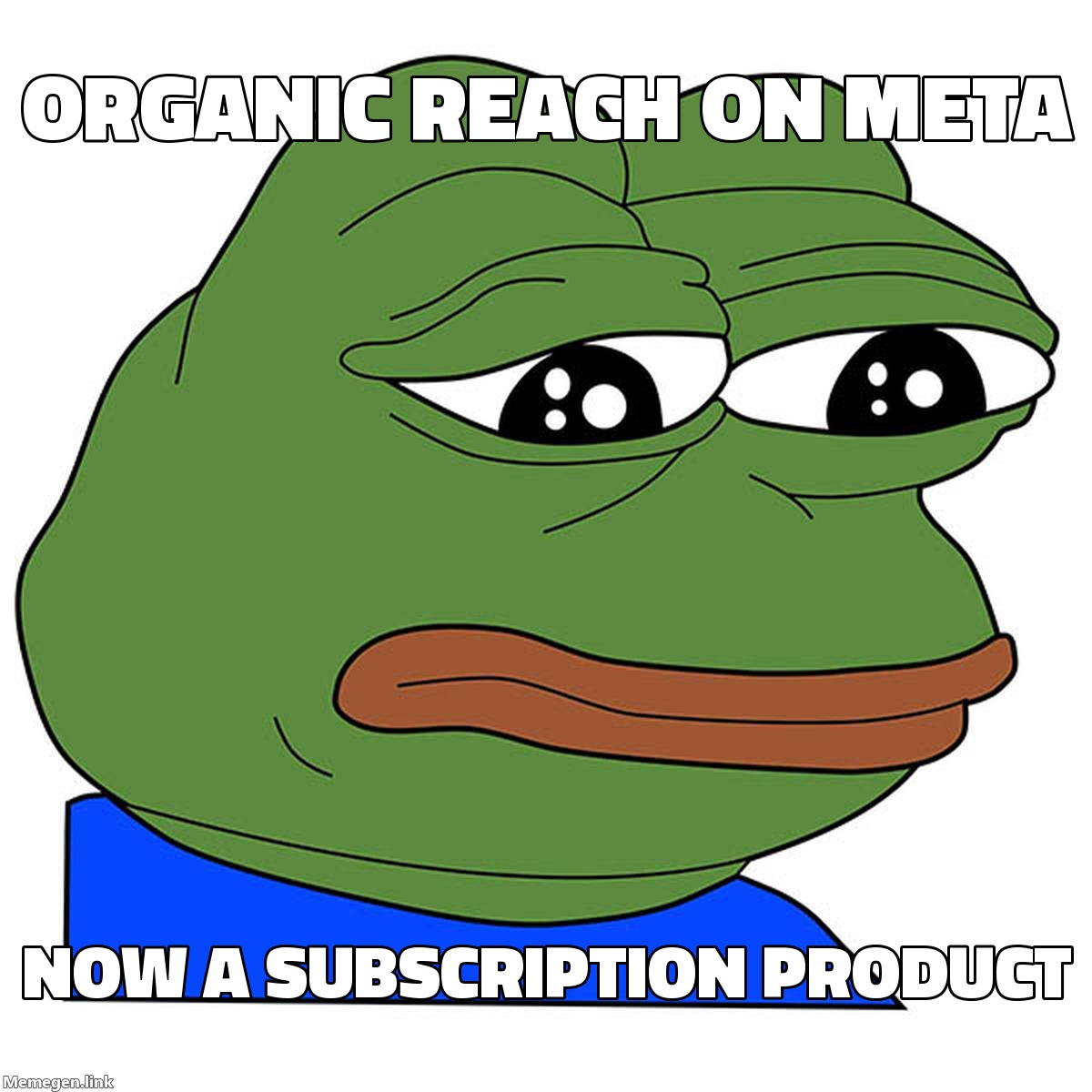
Meta One Advanced, priced at $49.99 per month, includes featured placement in feeds and higher rankings in search results. That's algorithmic advantage as a subscription product. Meta is not offering more targeting precision or broader reach to new cold audiences — it is selling priority position in the same surfaces where your paid ads already run.
The company plans to eventually consolidate its various subscription offerings under a single "Meta One" brand, with AI tools, business plans, and creator tiers to follow.
the double squeeze on advertisers
Running Meta ads puts you in an auction. The auction works because your ads compete with other ads for users' attention. What Meta One Advanced does is introduce a third competitor in that feed: brands and creators who have paid for algorithmic priority through a subscription rather than through the ad auction.
At the same time, the $3.99 tier represents a growing segment of users who are paying specifically to reduce or remove ad exposure. When TikTok launched its £3.99 ad-free subscription in the UK last month, the concern was about audience fragmentation in a single market. Meta's rollout is global, across three platforms simultaneously.
These two effects — a shrinking ad-visible pool and a subscription-powered reach layer competing in the same feed — run in parallel. Neither is catastrophic on its own today. Combined, they represent a structural shift in how Meta distributes content and how much of that distribution is available without payment.
what this means for organic content strategy
Many e-commerce brands run an organic Instagram or Facebook presence alongside their paid campaigns. The organic content warms retargeting pools, keeps existing customers engaged, and provides social proof. It's treated as essentially free distribution.
It was never truly free — it required content production, community management, and time. But it was at least free from an auction standpoint. Brands with good content got reach regardless of whether they were spending in Ads Manager.
Meta One Advanced changes that calculus. Brands paying $49.99 per month get bumped in search and recommended feeds. Brands that don't pay compete against them with organic content for the same positions. Over time, the reach gap between paid-subscription accounts and non-paying organic accounts will widen — exactly as happened with paid ads when Meta throttled page reach in 2014.
You've seen this movie. The first act is optional. The second act is table stakes.
who feels this first
Not every brand feels this immediately. If your Meta organic posts drive less than 5% of your attributed site traffic and conversions, the subscription layer is background noise for now. Subscription adoption in early months will be low — most users won't pay $3.99 when the free version still works.
The brands who feel it first are:
- DTC brands with large, engaged Instagram followings where organic reach supplements CAC
- B2B brands using LinkedIn-style thought leadership on Facebook Pages
- Creator-run brands where the founder's organic content is part of the acquisition funnel
For those accounts, the reach erosion will be gradual but measurable. Check your organic post reach trends monthly starting now. If the numbers start declining beyond seasonal variation, the subscription layer is already compressing your distribution.
the longer-term pricing signal
Instagram Stories ad revenues are projected at $27 billion in 2026 — up 33% year-over-year. Meta's ad business is growing fast. Launching a subscription tier isn't a signal that ad revenue is struggling; it's a signal that Meta wants a second revenue stream alongside ads.
The historical pattern with platform monetization is consistent: introduce a free tool, grow usage, throttle organic reach, then sell reach back in a new format. Meta did this with Pages in 2012–2014. It's doing it again with the subscription layer, except this time the mechanism is explicit rather than algorithmic.
For brands building on Meta's platforms, the implication is the same as it was then: distribution that depends on a single platform's free goodwill is not durable. Owning your audience — email lists, SMS, direct relationships — matters more when the free distribution layer is being monetized underneath you.
If you want a clear picture of how your current Meta spend is performing against industry benchmarks before the subscription layer fully bakes in, the free audit at Gromerce takes three minutes.
The platforms will always find new ways to charge for reach. The brands that survive it are the ones that built distribution they actually own.
Sources: TechCrunch, Engadget, eMarketer, Mobikasa, Social Media Today, May 2026